In the fast-paced environment of healthcare, efficiency and accuracy are paramount. That’s where Real-Time Location Systems (RTLS) come into play. By leveraging RTLS, hospitals can significantly enhance patient care and streamline operations. In this article, we’ll explore how RTLS is revolutionizing the healthcare sector, focusing on staff tracking, patient tracking, and hospital asset tracking.
Understanding RTLS in Healthcare
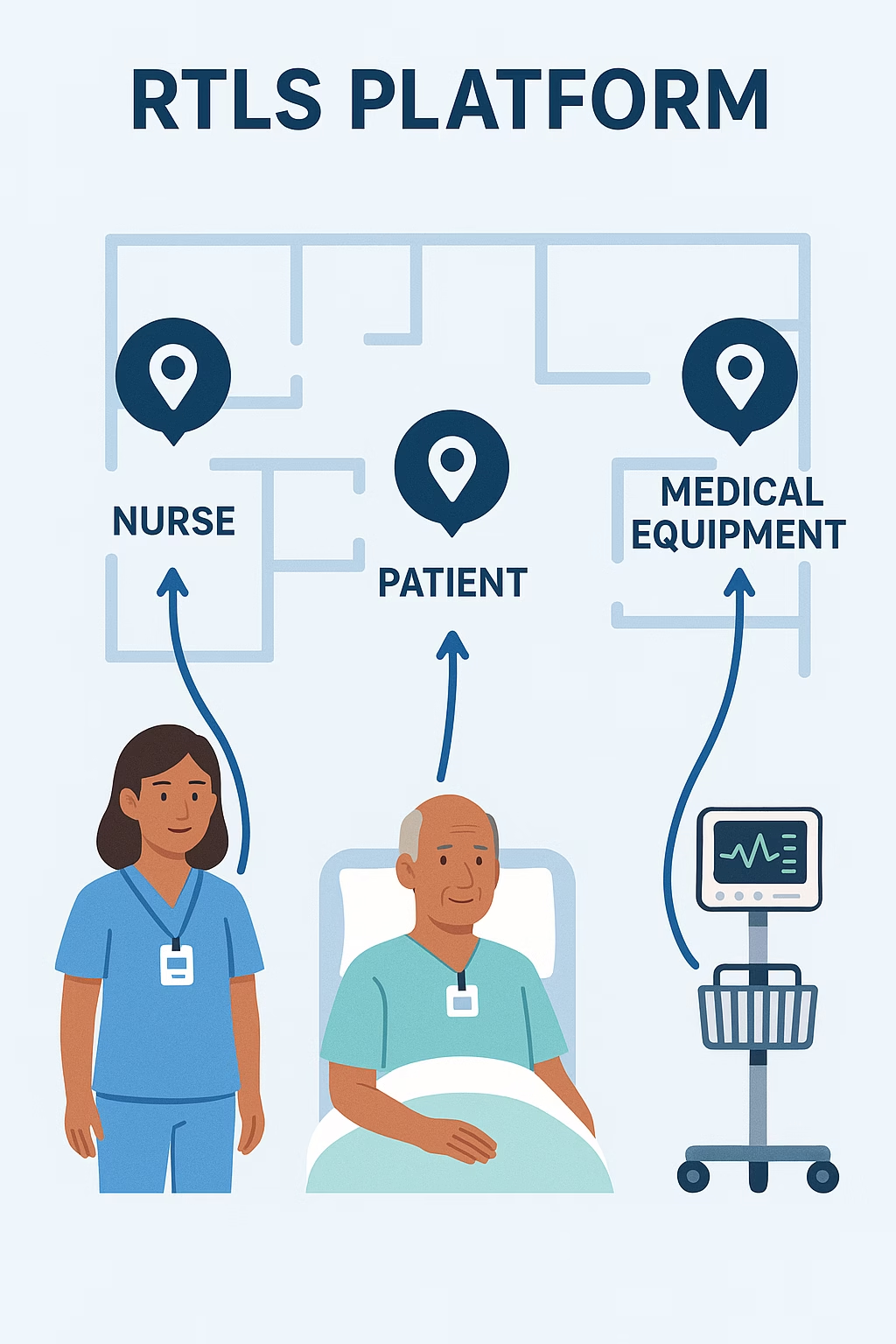
Real-Time Location Systems (RTLS) are designed to track the location of people and equipment within a facility. In a healthcare setting, RTLS can provide real-time data on the whereabouts of patients, staff, and critical assets. This technology enables hospitals to improve workflow optimization, equipment utilization, and ultimately, patient care.
The Basics of RTLS Technology
RTLS uses a network of sensors and tags that communicate with each other to determine the precise location of tagged objects or individuals. These systems can use various types of technology, including Wi-Fi, RFID (Radio-Frequency Identification), and Bluetooth, to provide accurate location data.
Enhancing Patient Care with RTLS
One of the most significant benefits of RTLS in healthcare is its ability to enhance patient care. Here’s how:
Patient Tracking
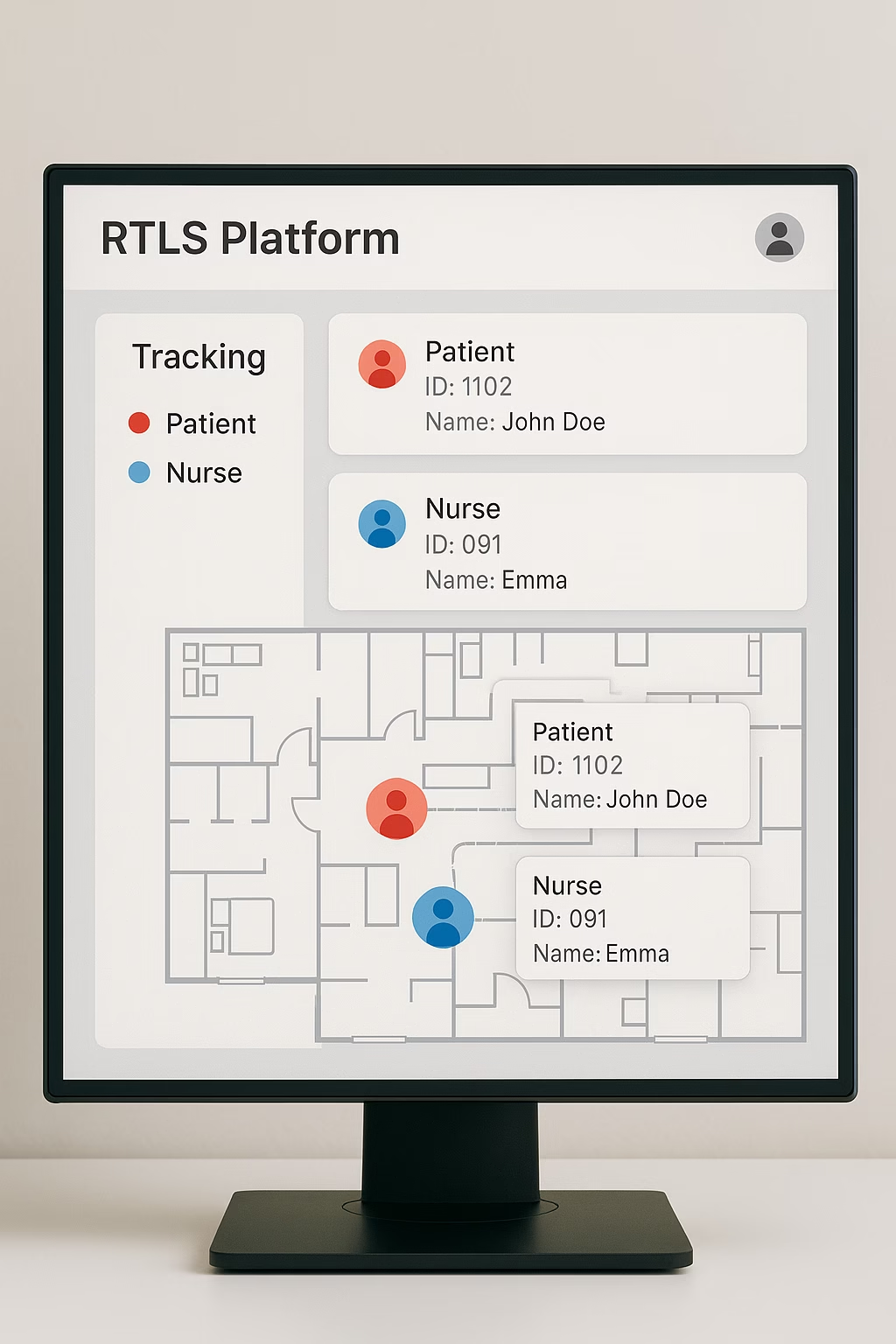
RTLS allows for seamless patient tracking throughout the hospital. It ensures that patients are in the right place at the right time, reducing delays in treatment. For instance, if a patient needs to be moved from the emergency room to surgery, RTLS can track their journey and notify staff of their arrival, ensuring timely care.
Improved Response Times
With RTLS, hospitals can significantly improve response times in emergencies. By knowing the exact location of patients and staff, hospitals can quickly deploy the nearest medical professionals to attend to urgent cases, potentially saving lives.
Enhanced Patient Safety
RTLS contributes to patient safety by minimizing the risk of errors. For example, the system can alert staff if a patient is in an unauthorized area or if they are not where they should be. This capability helps prevent incidents such as patient elopement or incorrect treatment administration.
Optimizing Hospital Operations with RTLS
Beyond patient care, RTLS plays a crucial role in optimizing hospital operations. Here are some key areas where RTLS makes a difference:
Staff Tracking
RTLS enables effective staff tracking, which is essential for efficient hospital operations. By knowing the location of doctors, nurses, and support staff, hospitals can optimize shift planning and ensure that the right personnel are available when needed.
Hospital Asset Tracking
One of the challenges hospitals face is keeping track of their assets, such as medical equipment and supplies. RTLS provides real-time data on the location and status of these assets, ensuring they are available when needed and reducing the time spent searching for them.
Equipment Utilization
With RTLS, hospitals can monitor the utilization of medical equipment, ensuring that resources are used efficiently. By tracking how often and how long equipment is used, hospitals can make informed decisions about purchasing and maintaining equipment.
Workflow Optimization
RTLS helps hospitals optimize their workflows by providing insights into the movement of patients, staff, and equipment. By analyzing this data, hospitals can identify bottlenecks and inefficiencies, leading to improved processes and patient outcomes.
Implementing RTLS in Healthcare Facilities
Implementing RTLS in a healthcare setting requires careful planning and consideration. Here are some steps to ensure a successful implementation:
Assessing Needs and Goals
Before implementing RTLS, hospitals need to assess their specific needs and goals. This assessment will help determine the type of RTLS technology required and the areas where it will have the most impact.
Selecting the Right Technology
Choosing the right RTLS technology is crucial for success. Hospitals must consider factors such as accuracy, range, and compatibility with existing systems. Engaging with an experienced RTLS provider can help ensure the selected technology meets the hospital’s requirements.
Staff Training and Adoption
For RTLS to be effective, hospital staff must be trained on how to use the system. Training should cover everything from understanding the technology to interpreting data and responding to alerts. Encouraging staff to embrace RTLS will lead to better adoption and utilization.
Continuous Evaluation and Improvement
Once RTLS is in place, hospitals should continuously evaluate its effectiveness and look for areas of improvement. Regularly reviewing data and gathering feedback from staff can help refine the system and maximize its benefits.
Overcoming Challenges in RTLS Implementation
Implementing RTLS in healthcare settings can present challenges. Here are some common issues and how to address them:
Integration with Existing Systems
Integrating RTLS with existing hospital systems can be complex. Working with a vendor that offers seamless integration solutions can help overcome this challenge.
Privacy Concerns
RTLS involves tracking the location of patients and staff, which may raise privacy concerns. Hospitals must ensure that their RTLS implementation complies with privacy regulations and that data is handled securely.
Cost Considerations
The cost of implementing RTLS can be a concern for some hospitals. However, the long-term benefits of improved efficiency and patient care often outweigh the initial investment. Hospitals should consider the return on investment when evaluating RTLS solutions.
The Future of RTLS in Healthcare
As technology continues to evolve, the capabilities of RTLS in healthcare will expand. Future advancements may include more precise location tracking, enhanced data analytics, and integration with other healthcare technologies.
RTLS has the potential to transform healthcare by improving patient care and hospital operations. By adopting this technology, hospitals can achieve greater efficiency, reduce costs, and provide better care to their patients.
In conclusion, RTLS is a powerful tool for healthcare facilities aiming to enhance patient care and optimize operations. By understanding the technology and addressing implementation challenges, hospitals can successfully integrate RTLS and reap its numerous benefits.