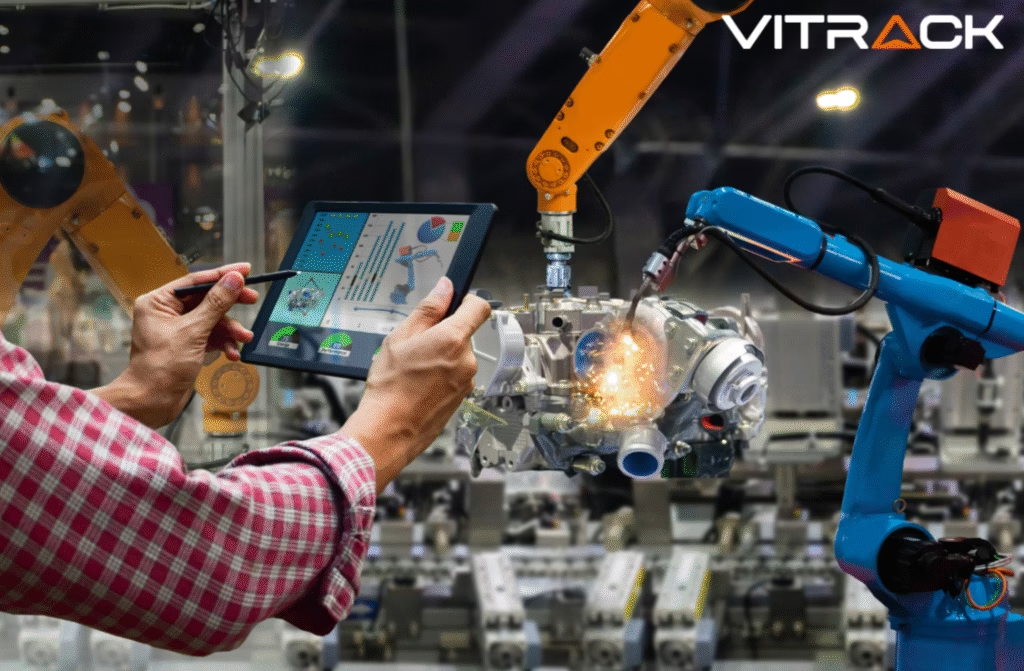
In the realm of manufacturing, smart factories are no longer a futuristic concept. They are a reality, reshaping the industry with advanced technologies.
One such technology is Real-Time Location Systems (RTLS). It’s a game-changer for smart factory optimization.
RTLS enhances manufacturing workflows in numerous ways. It provides supply chain visibility, asset tracking, and tool tracking. These capabilities lead to significant improvements in production efficiency.
But the benefits of RTLS don’t stop there. It also supports lean manufacturing practices, reducing waste and boosting productivity.
Moreover, when integrated with industrial automation and Industrial IoT, RTLS can revolutionize factory operations. It can even contribute to people tracking and asset maintenance, enhancing safety and efficiency.
In this article, we’ll delve into how RTLS optimizes manufacturing workflows, making smart factories even smarter. We’ll explore its role, benefits, and the strategic advantage it offers in the competitive manufacturing landscape.
Understanding Smart Factories and RTLS
Smart factories represent the evolution of traditional manufacturing. They leverage digital technologies and automation to enhance efficiency and flexibility. These advanced systems integrate with networked devices, creating seamless operations.
Real-Time Location Systems (RTLS) play a critical role in these environments. RTLS use advanced tracking technologies to monitor the precise location of assets, tools, and people. This data is pivotal for optimizing factory workflows. It ensures that resources are utilized efficiently and downtime is minimized. By offering real-time insights, RTLS empowers decision-makers to drive productivity improvements and respond swiftly to operational challenges.
The Role of RTLS in Smart Factory Optimization
RTLS technology is a powerful tool in smart factory optimization. It provides real-time tracking of assets, tools, and personnel. This capability is essential for maintaining a streamlined operation.
Smart factories thrive on efficiency and quick responses. RTLS allows for instant insight into factory activities. This information can identify potential disruptions before they occur. By integrating RTLS, manufacturers can make informed decisions quickly, enhancing overall productivity and reducing waste.

Enhancing Supply Chain Visibility
Supply chain visibility is crucial for modern manufacturing. RTLS offers detailed insights into each stage of the supply chain. This transparency improves coordination.
With enhanced visibility, companies can predict supply chain disruptions. They can adjust their logistics strategies accordingly. Improved supply chain management leads to reduced costs and faster delivery times. In today’s market, such responsiveness gives companies a vital edge over competitors.
Asset and Tool Tracking for Improved Efficiency
Effective asset and tool tracking are fundamental in any smart factory. RTLS technology helps locate tools and assets accurately. This reduces time wasted on searches.
Lost tools or assets can halt production. RTLS minimizes such incidents, thereby increasing productivity. Workers can focus on their tasks without unnecessary interruptions. This efficiency not only saves time but also reduces operational costs significantly.
Boosting Production Efficiency with Real-Time Data
Real-time data is at the heart of production efficiency. RTLS provides continuous updates on the status of operations. It identifies bottlenecks as they develop.
With RTLS, manufacturers can adjust operations proactively. This ensures optimal flow on the production floor. Real-time data leads to smarter decisions and less downtime. The result is a more agile, responsive manufacturing process that adapts to dynamic conditions.
Lean Manufacturing and RTLS: A Perfect Match
Lean manufacturing principles focus on eliminating waste and optimizing processes. RTLS complements these goals by providing the necessary data. It streamlines processes, ensuring every operation is efficient.
By integrating RTLS, manufacturers can monitor and improve workflow dynamics. This synergy enhances lean practices. It leads to more robust production cycles. When RTLS and lean manufacturing unite, factories operate more smoothly with minimal waste and maximum efficiency.
Waste Reduction and Continuous Improvement
Reducing waste is a core objective of lean manufacturing. RTLS plays a crucial role by tracking resource usage. It highlights inefficient practices, enabling immediate corrections.
Continuous improvement is a key aspect of lean practices. The data from RTLS systems supports this goal by providing actionable insights. Factories can make incremental improvements based on this data. These ongoing enhancements ensure that manufacturing processes remain streamlined and resource-efficient over time.
Integrating RTLS with Industrial Automation and IoT
RTLS, when combined with industrial automation, creates a dynamic manufacturing environment. It enhances machine-to-machine communication. This integration facilitates real-time data sharing and decision-making.
The synergy between RTLS and Industrial IoT brings forth advanced monitoring capabilities. Sensors continuously track and report on equipment status, ensuring optimal operation. This integration also improves supply chain visibility. The outcome is seamless operations, reduced bottlenecks, and heightened production efficiency across the board.
People Tracking and Safety in the Smart Factory
Ensuring worker safety is a critical aspect of smart factory operations. RTLS plays a crucial role in this area. By tracking employee locations, factories can enhance safety protocols significantly.
RTLS enables swift responses to emergencies or accidents. It ensures workers are accounted for and safe. Moreover, the data gathered can optimize workspace layouts, reducing potential hazards. With RTLS, factories promote a safer, more efficient working environment. This not only enhances productivity but also boosts worker morale.
Implementing RTLS Without Disrupting Workflows
Introducing RTLS into a factory should be seamless. The key is strategic planning from the outset. Consideration of existing processes ensures minimal disruption.
Training is essential. It empowers workers to adapt quickly to new systems. Choosing flexible RTLS solutions that integrate easily with current infrastructure is also crucial. Proper implementation minimizes workflow interruption. It optimizes factory operations without a halt in productivity, ensuring a smooth transition to smarter operations.
Measuring the ROI of RTLS in Manufacturing
Evaluating the ROI of RTLS is vital for understanding its impact. This involves assessing both tangible and intangible benefits. Tangible gains include reduced downtime and efficient asset utilization.
Intangible benefits can be just as significant. Improved worker satisfaction and enhanced decision-making processes add value. By closely monitoring these aspects, manufacturers can justify RTLS investments. This analysis ensures a clear understanding of the technology’s contribution to overall productivity and cost-effectiveness.
Overcoming Challenges and Looking to the Future
Implementing RTLS in a smart factory setting is not without hurdles. Integration with existing systems poses one major challenge. However, strategic planning and vendor collaboration can alleviate these issues.
Looking ahead, the future of RTLS appears bright as technology evolves. Continuous innovations promise further enhancements. Manufacturers should stay informed to remain competitive and maximize their RTLS potential. Embracing these advancements will lead to smarter, more efficient operations.
Conclusion: The Strategic Advantage of RTLS in Manufacturing
RTLS offers remarkable strategic advantages in manufacturing. Its ability to optimize workflows and increase efficiency cannot be overstated. Through real-time tracking and data integration, RTLS transforms operations into seamless processes.
Manufacturers adopting RTLS gain a competitive edge. Enhanced productivity and resource management contribute to bottom-line improvements. By embracing RTLS, companies position themselves for a future characterized by innovation and success in an ever-evolving industry landscape.